Before you jump in, it’s important to find a safe and organized workspace. A clean area will not only keep you safe while working with sharp tools and heavy materials, but it will also help you think clearly as you plan and execute your projects. If you don't have a dedicated workshop, even a corner of your garage or a well-lighted shed can serve as a perfect starting point. Just make sure you have the essentials: a sturdy workbench, good lighting, and storage for your tools.
As you begin to explore woodworking, consider starting with simple projects to build your skills and confidence. Items like birdhouses, small shelves, or picture frames are great for beginners. These projects will allow you to practice measuring, cutting, sanding, and assembling—key skills that form the foundation of woodworking. Don’t be afraid to make mistakes; each error is a learning opportunity that will help sharpen your techniques and inspire you to tackle more complex projects in the future.
Joining a local woodworking group or taking a class can also enhance your learning experience. Being part of a community can provide valuable support, inspiration, and feedback on your work. You’ll be surprised at how sharing ideas and tips with others can ignite your passion and encourage you to push your creative boundaries. Remember, every master woodworker was once a beginner, so embrace the process and enjoy every moment of your woodworking journey!
Essential Tools for Every Woodworker
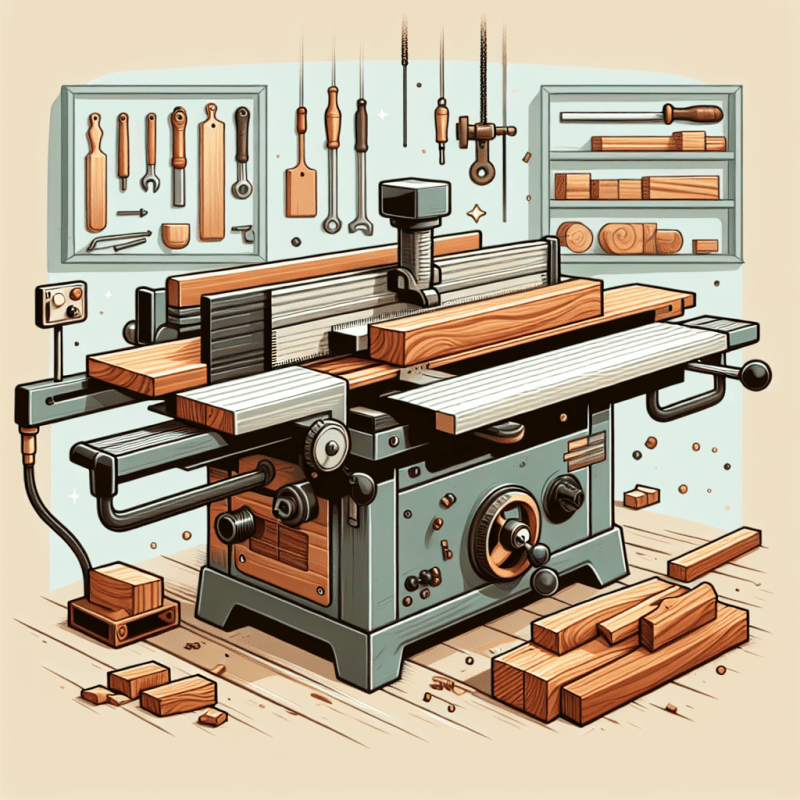
Woodworking is an art that requires both skill and the right tools. Whether you are a beginner or a seasoned craftsman, having essential tools at your disposal can make a significant difference in your projects. Here are some must-have tools that every woodworker should consider adding to their workshop.
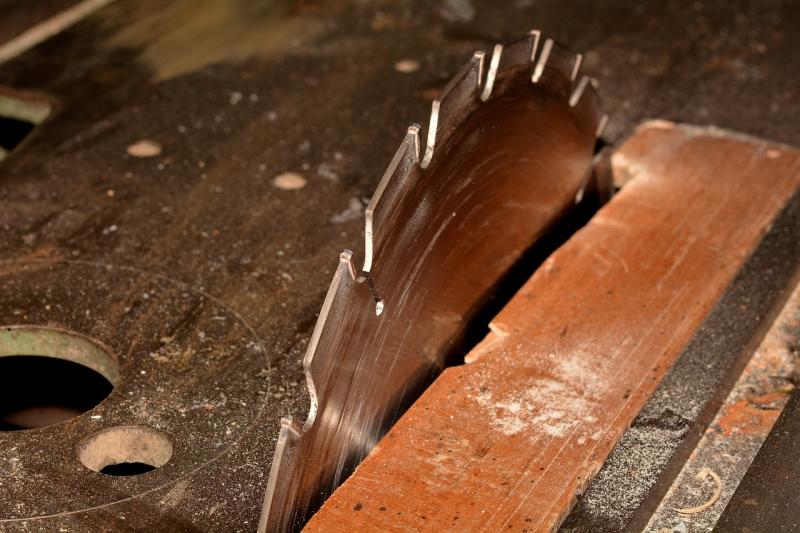
First on the list is a quality saw. A reliable handsaw or a power saw, such as a circular saw or a jigsaw, will help you make precise cuts in various types of wood. Selecting the right saw depends on the type of projects you plan to undertake. For more intricate work, a scroll saw can be invaluable for creating detailed designs.
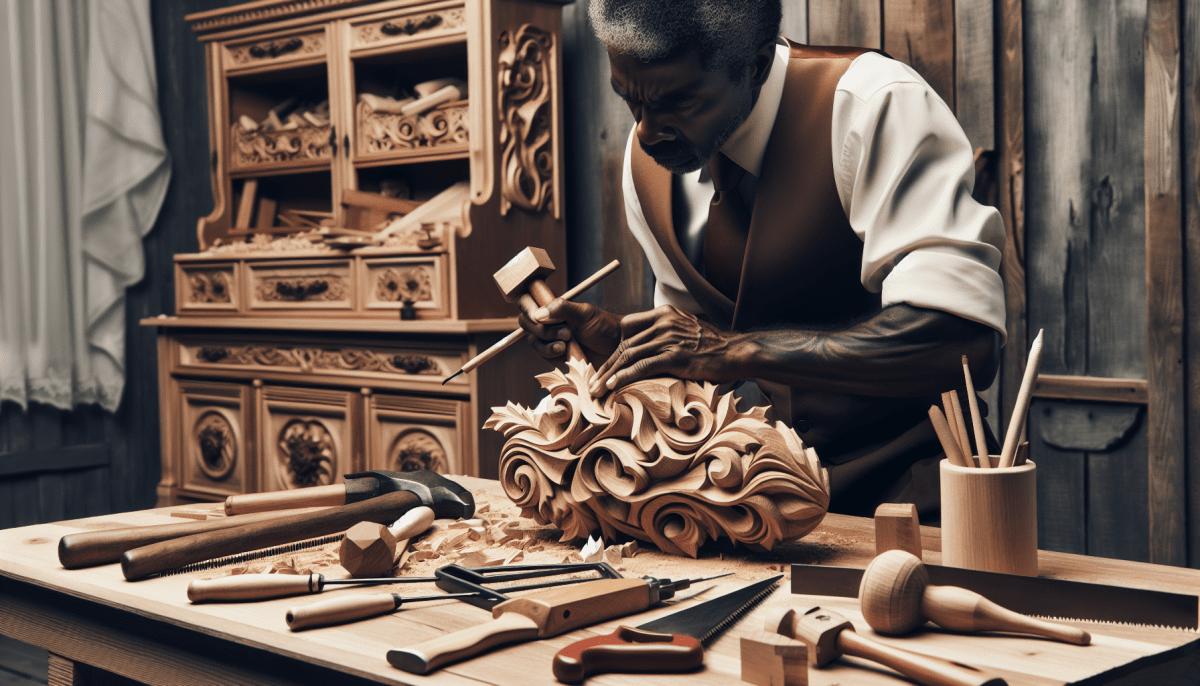
Next, a set of chisels is essential for fine detailing and shaping wood. Chisels come in different sizes and shapes, allowing for flexibility in your projects. Whether you are carving, cutting joints, or cleaning up edges, having a sharp set of chisels can significantly enhance your woodworking capabilities.
Don't forget about a good measuring tape and square. Accurate measurements are crucial in woodworking, and these tools help ensure that everything fits together perfectly. A combination square is especially useful as it can help you check angles and mark lines at various measurements. Having these basic yet critical tools will lay a solid foundation for your woodworking adventures.
Techniques to Improve Your Skills
Improving your woodworking skills takes dedication and practice, but there are several techniques that can help you along the way. One of the most effective methods is to start with small projects. By choosing simple tasks, you can gradually build your confidence and learn the basics of woodworking. As you complete each project, you’ll gain experience and become more comfortable with different tools and materials.
Another great way to enhance your skills is to observe and learn from experienced woodworkers. Watching tutorials online or attending workshops can provide you with valuable insights and techniques that you may not have considered. Not only do you get to see the processes in action, but you can also ask questions and receive feedback on your own work.
Practice is essential in woodworking, so setting aside regular time to work on your craft will yield significant results. Create a dedicated workspace where you can leave your projects in progress. This way, you can return to them whenever you have a moment to spare and maintain your momentum. Plus, a consistent routine will help you track your progress and measure your improvement over time.
Lastly, don’t be afraid to make mistakes. Every woodworker has had projects that didn’t go as planned. Use these experiences as learning opportunities. Analyze what went wrong and think about how you can improve next time. Embracing trial and error will not only enhance your skills but also help you develop a unique style that reflects your creativity and vision.
Creating Unique Wood Projects
One great way to kick off your unique wood project is by exploring different types of wood and their characteristics. Each wood species offers its own color, grain pattern, and texture, all of which can significantly impact your project. For example, using reclaimed wood can give your creation a rustic charm, while hardwoods like oak and cherry provide durability and elegance. Don’t be afraid to mix different types of wood; this can introduce fascinating contrasts and layers to your design.
As you begin creating, think about the function and aesthetics of your project. Ask yourself what purpose the item will serve and how it can fit into your space. Whether it’s a piece of furniture, a decorative item, or a functional tool, infusing your personality into the design will make it truly unique. Sketching your ideas can help you visualize the final product and refine your plans. Remember, the process can be as enjoyable as the final outcome!
Embrace mistakes and imperfections during your crafting journey. Many master woodworkers believe that the best projects often incorporate unexpected moments or changes in direction. These deviations can lead to delightful surprises and innovative solutions. Always keep an open mind and be willing to experiment; it’s through exploration that you will discover your own style and strengths in woodworking.