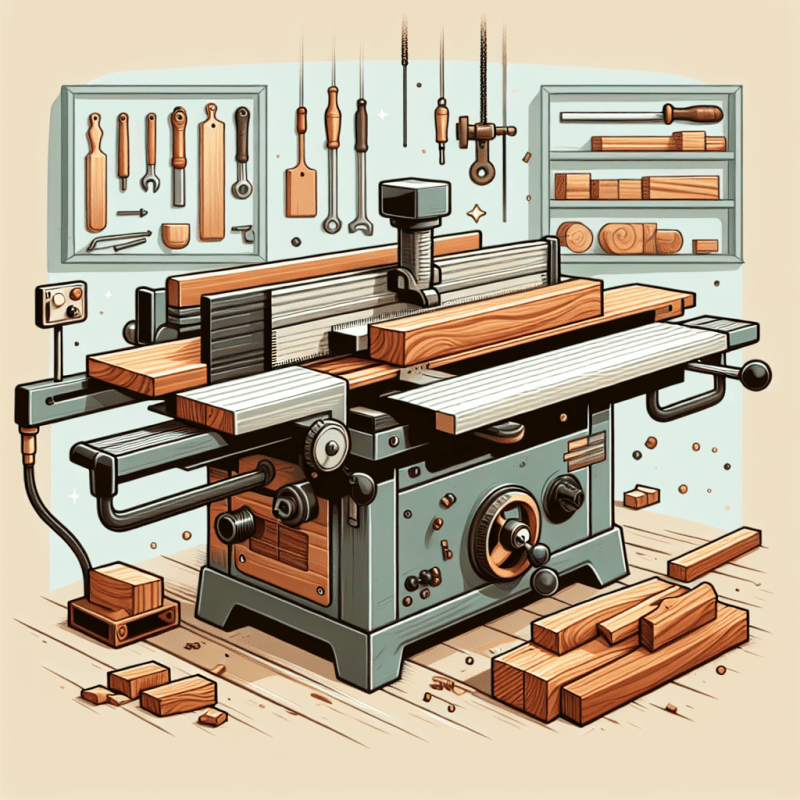
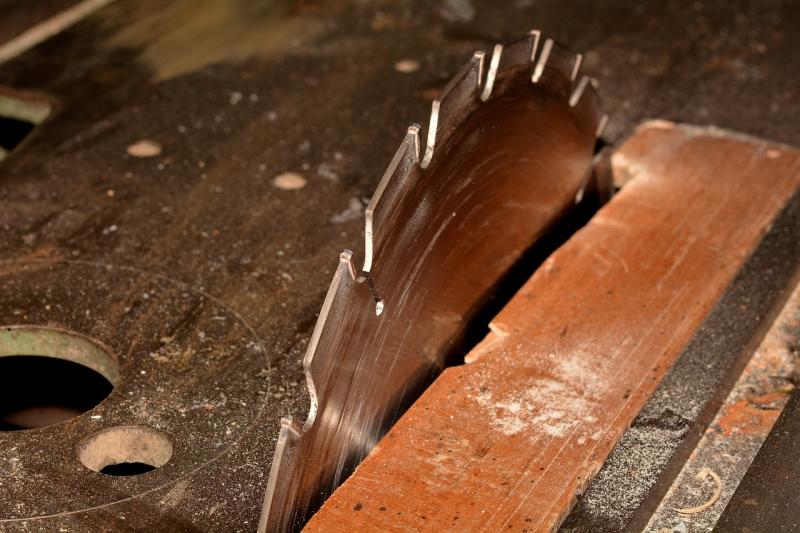
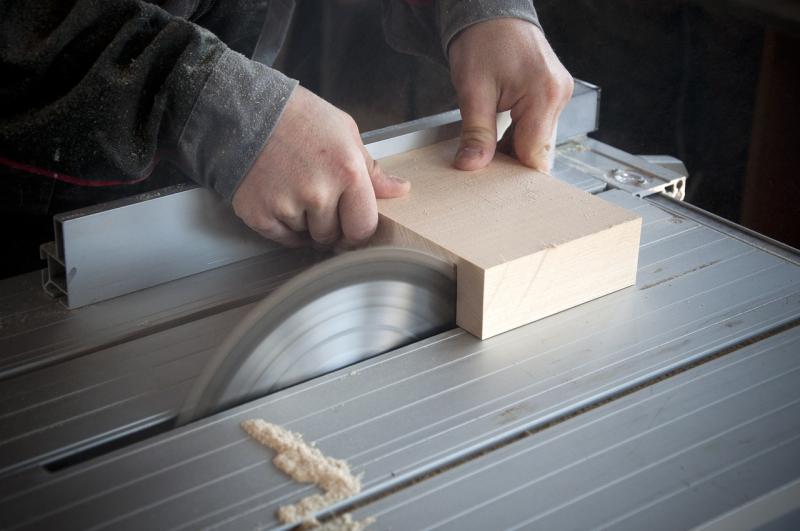
When it comes to achieving a flawless finish in woodworking, selecting the right planer is crucial. A woodworking planer can transform rough lumber into smooth, even planks that are perfect for your projects. However, with various options available, it’s essential to understand the key factors that will guide your choice.
Firstly, consider the type of woodworking you’ll be doing. If you primarily work with softwoods, a basic electric planer may be sufficient. However, for hardwoods or larger projects, investing in a more powerful stationary planer might be the way to go. Portability is also a factor. If you're working in different locations or have limited space, a lightweight and compact hand-held planer might be more practical.
Another important aspect is the cutter head. Planers come with different types of cutter heads, such as straight blades or spiral cutters. Spiral cutter heads tend to produce a smoother finish and can handle tough grain more effectively, making them ideal for intricate projects. Take note of the maintenance requirements too; some cutters require frequent sharpening, while others are more forgiving.
Finally, budget plays a significant role in your decision. While it might be tempting to go for the cheapest option, investing in a quality planer can save you time and frustration down the line. A well-made planer not only provides better results but can also last for many years with proper care. Do your research, read reviews, and consider trying out a few models before making a purchase to find the one that meets your needs.
Understanding Planer Features and Benefits
Woodworking planers are essential tools for achieving smooth and even surfaces on your lumber. By understanding the various features and benefits of these machines, you can maximize your woodworking projects with ease. A planer helps reduce the thickness of wood while providing a flawless finish, which is crucial for creating professional-quality pieces.
One of the key features of a planer is its adjustable cutting depth. This allows woodworkers to control how much material is removed from the surface, enabling finer adjustments for different projects. Whether you’re working with rough-sawn lumber or fine hardwoods, being able to set the depth ensures you get the exact finish you desire. Additionally, many modern planers come equipped with powerful motors and sharp blades, which provide a smoother cut and reduce the likelihood of tear-out.
Another significant benefit of using a planer is the time it saves in your woodworking process. Hand planing can be labor-intensive and time-consuming, especially for larger pieces of wood. A planer automates this task, allowing you to achieve consistent results much faster. With just a few passes, you can prepare wood for assembly, finishing, or other functions without sacrificing quality.
Moreover, planers can also improve the overall appearance of your projects. A well-planed surface not only enhances the natural beauty of the wood but also prepares it for staining or sealing, ensuring that the finish adheres properly. With a smooth and even surface, you’ll find that your woodworking pieces look more polished and professional, elevating the quality of your work.
Essential Techniques for Optimal Results
When it comes to woodworking, achieving the perfect finish often depends on mastering essential techniques with your planer. Whether you're working with rough lumber or finished wood, knowing how to properly set up and use your planer can make all the difference. Start by ensuring your material is clean and free of debris; this simple step prevents scratches and imperfections on your wood surface.
One key technique is adjusting the depth of cut. A shallow cut is ideal for getting a smooth surface without taking off too much material. It's advisable to take multiple passes rather than trying to remove a lot of material in one go. This approach minimizes the risk of tear-out and helps maintain the integrity of your wood. Remember, patience is a virtue in woodworking!
Additionally, always pay attention to the grain direction of the wood. Planing against the grain can cause splintering, leading to a rough finish that requires extra sanding. Instead, align your passes with the grain to achieve a clean, polished look. If you're unsure, do a test pass on a scrap piece to see how the wood responds. This practice not only saves you time but also helps you learn the characteristics of different types of wood.
Lastly, keeping your planer blades sharp is crucial for optimal results. Dull blades can cause tearing and an uneven finish, which means more work for you later on. Regularly inspect and replace your blades as needed, ensuring your planer operates at its best. By mastering these techniques, you'll significantly enhance your woodworking projects and achieve perfect finishes every time.
Maintaining Your Planer for Longevity
Maintaining your planer is essential for achieving perfect finishes and ensuring the longevity of your tool. A well-cared-for planer will not only perform better but also save you time and money in the long run. Start by regularly checking and changing the blades. Dull blades can lead to tear-out and rough surfaces, so it’s crucial to replace them at the first sign of wear. Keep a set of spare blades on hand so you can switch them out quickly when needed.
Another important aspect of maintenance is keeping your planer clean. Wood shavings and dust can accumulate in the machine, potentially causing overheating and inefficiency. After each use, take a few moments to clear out any debris. Make it a habit to wipe down the surfaces and ensure that all moving parts are free from buildup. This simple practice can significantly extend the life of your planer.
Proper storage of your planer is also key to its longevity. If you have a benchtop model, avoid leaving it in a damp or humid environment, which can lead to rust and corrosion. Use a dust cover to shield it from dust and debris when not in use. For larger floor models, consider positioning it away from direct sunlight and moisture. This helps in maintaining the electrical components and preserves the overall integrity of the machine.
Lastly, always refer to the manufacturer’s manual for specific maintenance guidelines. Each planer may have unique requirements, and following these recommendations can help you spot any potential issues early on. By taking care of your planer, you’ll ensure it remains a reliable tool in your woodworking arsenal for years to come.